When a major earthquake strikes, it rarely arrives alone. Power outages, communication failures and structural damage often follow in quick succession, precisely when accurate seismic data is most urgently needed. For operators of nuclear plants, dams, bridges and offshore platforms, the ability to capture peak ground acceleration independently of electrical infrastructure is a fundamental requirement of a robust seismic safety strategy. Unpowered recording accelerographs have addressed this requirement for decades. This article examines how they work, where they fit within a broader monitoring strategy and why they remain relevant alongside today’s sophisticated digital systems.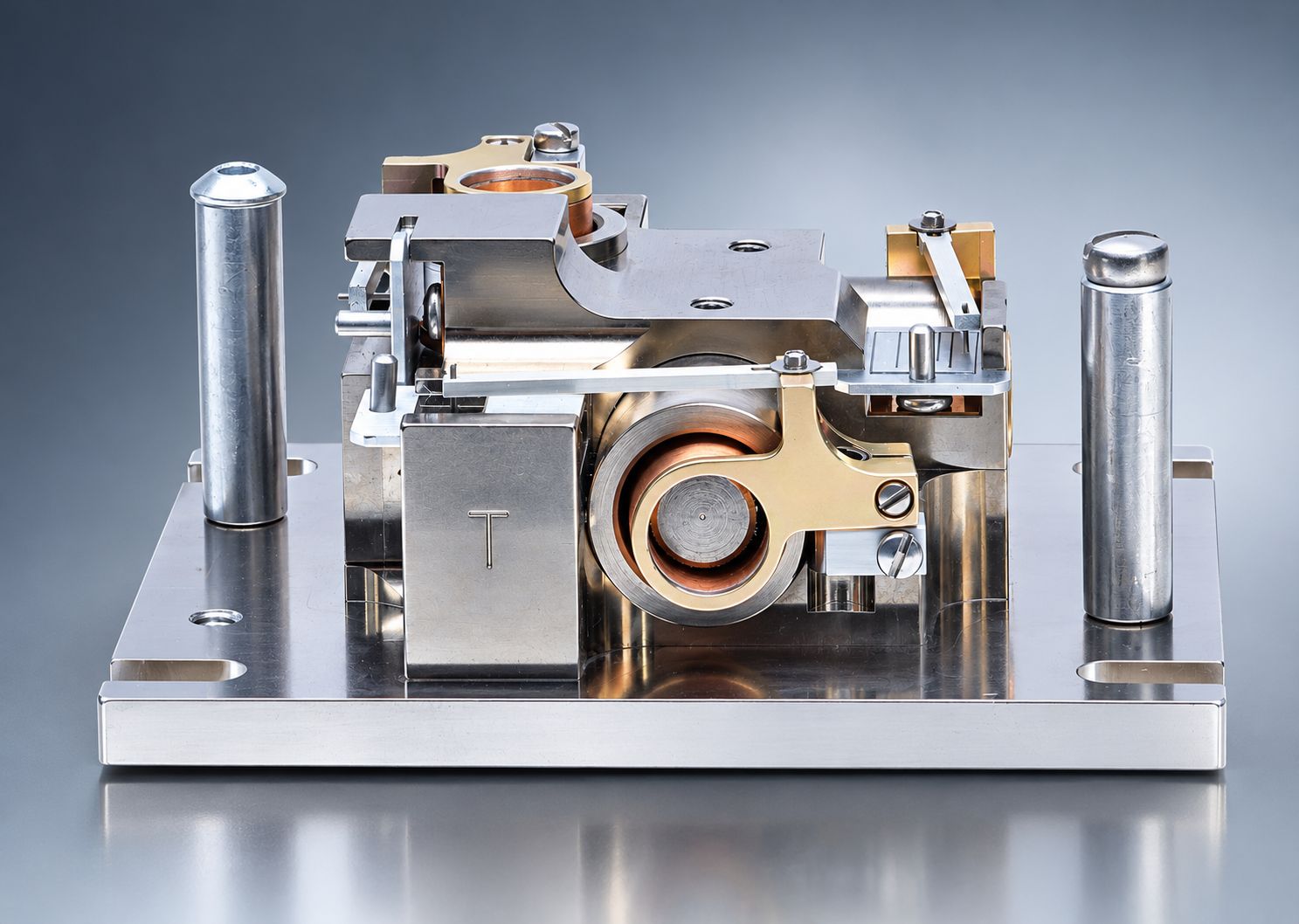
The problem with power dependency
Modern digital accelerographs are highly capable instruments. They capture complete acceleration waveforms, time histories and frequency content whilst also feeding real-time data into monitoring systems and control rooms. Most are designed with battery backup to operate through brief power interruptions. However, a significant earthquake can cause extended, widespread outages, and battery-backed systems have a finite operating time. Furthermore, active electronics, however well designed, introduce points of failure that passive mechanical systems simply do not have. In the aftermath of a major seismic event, the question is not just whether the system survived, but whether it recorded reliably throughout. With unpowered recording accelerographs, when the ground shakes and the lights go out, the data will still be there.
How unpowered accelerographs work
Typically, unpowered recording accelerographs use a tri-axial sensing arrangement to measure peak ground acceleration across three orthogonal axes: X, Y and Z.
The operating principle requires no external power, no batteries and no active electronics at any stage. Each axis uses a dedicated stylus positioned over a pre-recorded magnetic reference line on a removable tape clip. During a seismic event, the acceleration displaces the stylus, which selectively erases a portion of the magnetic tape. The length of the erased section is directly proportional to the peak acceleration experienced along that axis.
After the event, the tape clip can be removed and examined under a calibrated magnifier or microscope. Peak acceleration values for each axis can be read directly from the physical record, without the need for software, a download or a power supply. The result is a permanent record of the peak forces experienced during the seismic event, which cannot be overwritten, corrupted by a power failure or lost to a firmware fault.
A good example of an established tri-axial unpowered recording accelerograph is the PRA-103, available from seismic monitoring specialist Sensonics. Developed specifically for deployment in nuclear, civil and offshore critical infrastructure, the PRA-103 meets the core requirement of complete independence from power and communications infrastructure.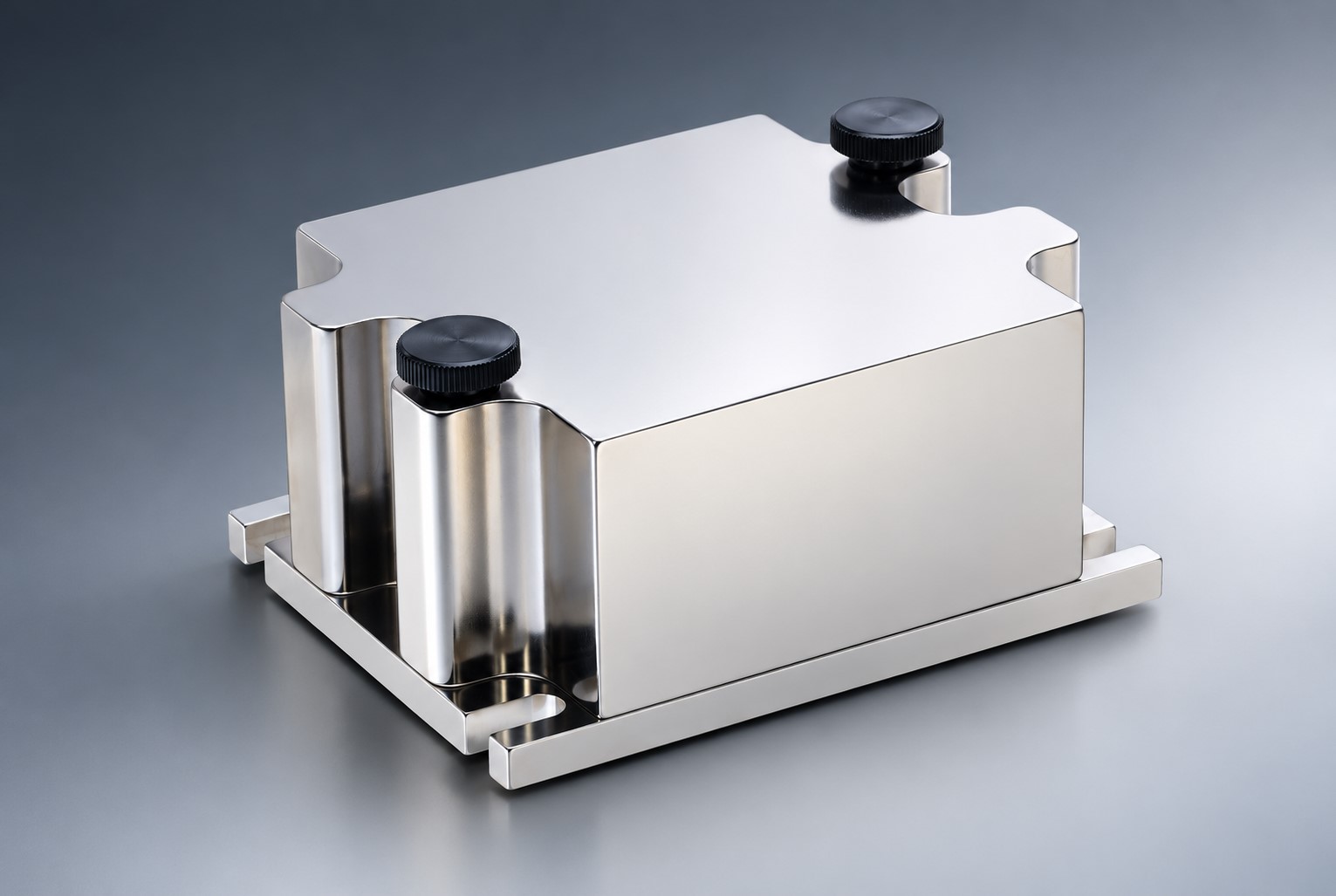
Where are they used?
Nuclear power stations – Where post-event peak acceleration data is required for safe shutdown assessments and regulatory compliance. In the UK, ONR Safety Assessment Principles and relevant IEC standards require seismic instrumentation capable of capturing acceleration data independently of power station systems.
Dams and reservoirs – Where structural integrity assessments following seismic events depend on independent, verifiable records that can withstand post-event regulatory and insurance scrutiny.
Bridges and large buildings – For post-event triage and structural health evaluation, where a rapid, power-independent readout can inform critical decisions about continued use or evacuation.
Offshore platforms – Where the combination of remote location, limited maintenance access and exposure to harsh marine environments makes low-maintenance, power-independent recording particularly valuable. In a post-event scenario, unpowered accelerographs provide a verifiable acceleration record, even when communications and power systems are compromised.
In each of these applications, the common requirement is the same: reliable capture of peak acceleration data that will hold up under post-event investigation and regulatory scrutiny, regardless of what happened to the power supply.
The physical nature of the magnetic tape record has important advantages in regulated industries: it is inherently tamper-resistant, there is no digital file to be edited, no timestamp to be questioned and no chain-of-custody issue that requires cryptographic verification. For post-event investigations, insurance assessments and regulatory compliance reviews, a physical record that can be independently examined provides a straightforward, auditable evidence trail. This is not something that can be easily replicated by a digital system, however sophisticated. Together, these important advantages emphasise the benefits of a tri-axial unpowered recording accelerograph such as the PRA-103 developed by Sensonics.
More at: Sensonics seismic protection recording equipment.
Read other recent instrumentation news: https://instrumentation.co.uk/category/news/