For many years, businesses viewed productivity and sustainability as separate objectives. Today, organisations are discovering that both goals can be achieved through the same strategy: DIGITALISATION.
Whether the challenge is reducing energy consumption, improving logistics, eliminating waste, preventing equipment failures or increasing production efficiency, access to better operational data is becoming the foundation of both commercial and environmental success. This is where Industrial Internet of Things (IIoT) technology, remote monitoring and Smart Factory initiatives are making a measurable difference.
The Digitalisation Opportunity
Many industrial processes are still managed using manual inspections, spreadsheets, periodic reporting and reactive decision-making. Whilst these approaches may have worked historically, they often create inefficiencies that remain hidden from view. Without accurate, real-time information, businesses can struggle to identify:
- Process inefficiencies
- Energy waste
- Equipment degradation
- Unplanned downtime risks
- Resource utilisation issues
- Product losses
- Inefficient logistics activities
Digitalisation addresses this challenge by connecting sensors, machines, utilities and infrastructure to cloud-based platforms where information can be collected, visualised and analysed. The result is greater visibility, faster decision-making and more effective operations.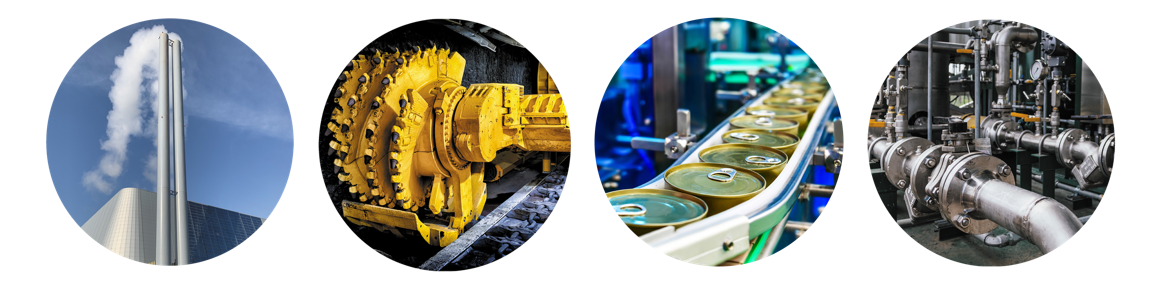
What the Data Says
Numerous studies have demonstrated the value of digitalisation and IIoT technologies across industrial sectors. Research published by organisations, including McKinsey, Deloitte and the World Economic Forum consistently highlights benefits, such as:
- Reduced downtime
- Increased equipment availability
- Improved productivity
- Lower maintenance costs
- Reduced energy consumption
- Better utilisation of operational resources
Importantly, many of these operational improvements also contribute directly to sustainability objectives. When an organisation consumes less energy, travels fewer miles, wastes fewer materials and extends equipment life, sustainability improves alongside profitability.
Sustainability Through Better Decisions
One of the biggest misconceptions surrounding sustainability is that it requires large-scale investment or major operational change. Often, meaningful improvements begin simply by understanding what is happening within a process and identifying opportunities for improvement. When businesses gain visibility of key operational parameters, they can:
- Reduce unnecessary energy consumption
- Eliminate waste
- Improve production efficiency
- Detect leaks and losses earlier
- Optimise maintenance activities
- Reduce vehicle movements
- Improve utilisation of assets
The common theme is simple: better information leads to better decisions.
Moving Beyond Monitoring
Collecting data is only the first step! Modern IIoT platforms enable organisations to move from reactive management towards proactive and predictive operation. Connected devices can provide:
- Real-Time Visibility
- Operational teams gain a live view of assets, equipment and processes from anywhere.
- Automated Alerts
- Potential problems can be identified and escalated before they develop into costly failures.
- Trend Analysis
- Historical performance data helps identify inefficiencies and opportunities for improvement.
- Predictive Maintenance
- Equipment can be maintained based on condition and performance rather than fixed maintenance schedules.
- AI and Analytics
- Advanced algorithms can identify patterns, anomalies and opportunities that may otherwise be missed.
This combination of visibility, intelligence and automation is at the heart of Industry 4.0.
Digitalisation Doesn’t Require a Smart Factory Overnight
One reason some organisations delay their digital transformation journey is the belief that they need to completely redesign their operation before any benefits can be realised. In reality, the most successful projects often start small. Many businesses begin by monitoring a single process, asset type or site before gradually expanding into wider operational areas. Examples include:
- Energy monitoring
- Utility monitoring
- Tank level monitoring
- Environmental monitoring
- Condition monitoring
- Emissions monitoring
- Production monitoring
- Machine performance monitoring
These focused projects frequently deliver rapid returns whilst building confidence and internal support for wider digitalisation initiatives.
The Future of Industrial Operations
The organisations achieving the greatest success are not necessarily those making the largest investments. They are often the businesses making better decisions because they have access to better information.
Digitalisation provides the visibility needed to improve performance, reduce waste, strengthen resilience and support sustainability objectives simultaneously. Whether the application involves manufacturing equipment, utilities infrastructure, environmental assets, energy systems or storage facilities, the principle remains the same:
Connect assets. Capture data. Create insight. Deliver measurable outcomes.
That is why digitalisation is no longer simply an IT initiative or an operational improvement programme. It’s becoming one of the most effective ways for organisations to improve both productivity and sustainability at the same time.
Real-World Results With PowTechnology
PowTechnology has spent more than three decades helping organisations improve operational performance through automation, telemetry, monitoring and Industrial IoT solutions. The company reports examples including fuel cost reductions of up to 30%, productivity improvements of 12% and maintenance cost reductions of 30% through intelligent monitoring and automation solutions.
Customer projects span multiple sectors, from manufacturing and utilities to fuel distribution, chemicals, environmental monitoring and infrastructure management. The common thread is the conversion of operational data into measurable business outcomes.
In the case of remote tank level monitoring, remote monitoring data supports logistics planning and delivery scheduling across a large international operation, helping improve efficiency and customer service.
Similarly, Green Biofuels uses monitoring technology to optimise deliveries of Hydrotreated Vegetable Oil (HVO), supporting efficient operations whilst helping customers transition towards lower-emission fuels.
If you’re looking for a partner to help you optimise productivity and sustainability at the same time, please get in touch!
We welcome your enquiries. Please come to us with your application ideas and we will do our very best to help!
+44 1827 310 666 sales@PowTechnology.com or use this contact form.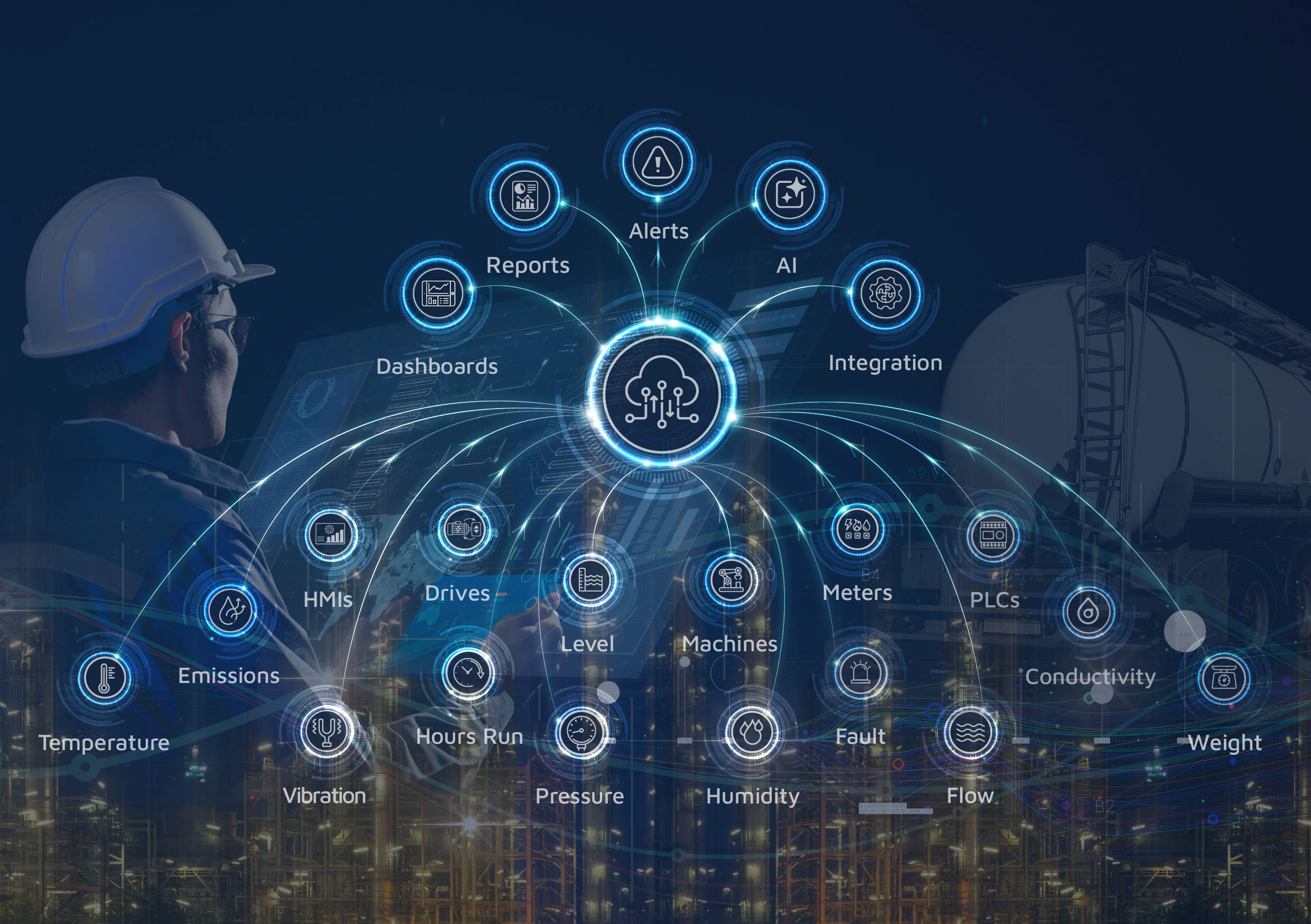
Read other recent instrumentation news: https://instrumentation.co.uk/category/news/