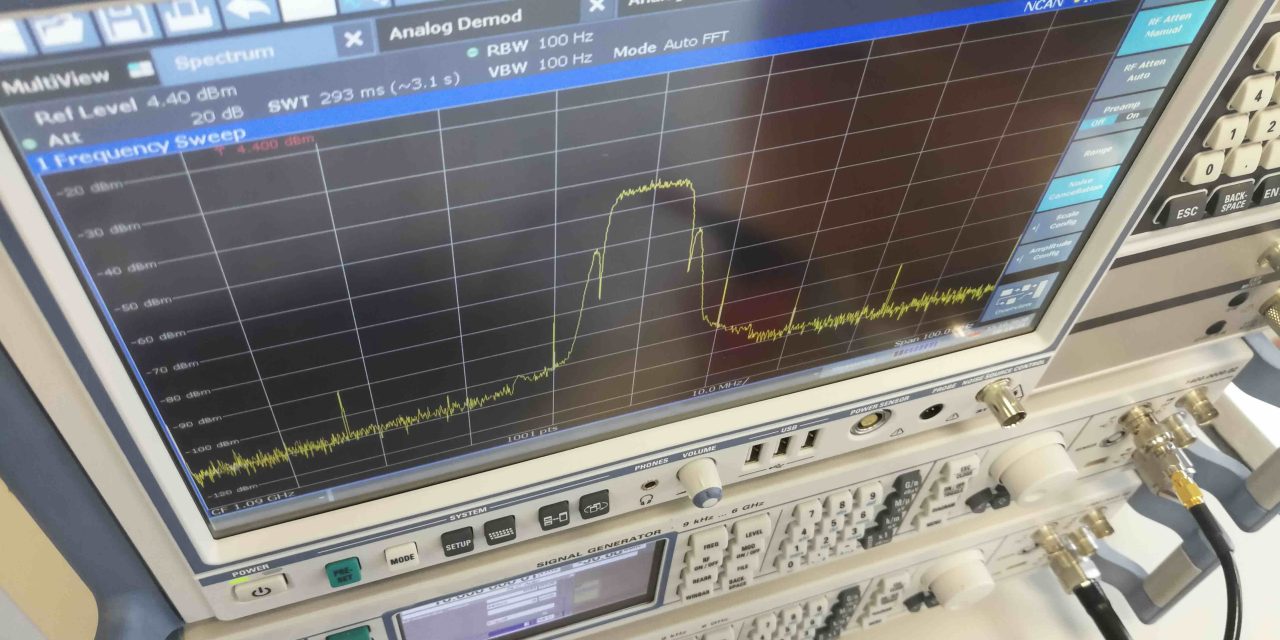
RF system design is constantly changing. Higher data rates and compact architectures mean the physical interfaces carrying signals between components exert greater influence over the entire system’s behaviour. Jamal Hagi, RF engineer at connector specialist PEI-Genesis, looks at how RF interconnect requirement shifts are affecting technologies, from 5G to quantum computing.
These constraints are shaping RF design decisions across wireless infrastructure, defence electronics and industrial automation. Systems that once allowed generous electrical margins now operate closer to defined limits. Design teams are closely monitoring how RF signals are launched and protected as they move through complex assemblies.
5G, AI and the new RF reality
The shift towards higher-frequency design began with 5G rather than AI. This moved large-scale commercial deployments beyond the sub-6 GHz range found in earlier generations of wireless technology. Millimetre wave operation introduced new constraints around loss control, impedance stability and mechanical precision.
As systems shrink, connector geometry, shielding effectiveness and material selection play crucial roles in determining signal behaviour. With AI use across networked systems increasing, the movement of data between sensors, accelerators and control systems places equal strain on the signal paths that connect them.
These demands are most visible in dense architectures, where multiple high-speed links operate in close proximity. Maintaining signal integrity depends on careful control of impedance and shielding across the interconnect chain. These interactions become harder to manage at higher frequencies, particularly in phased array radar and 5G test platforms.
Deployment trends suggest that these challenges extend beyond a limited set of flagship installations. A 2025 survey by GSA “identified 203 operators in 56 countries and territories investing in 5G mmWave network deployments”. This level of activity has increased demand for RF interfaces that support high data rates while maintaining predictable performance in compact system layouts.
Quantum and rethinking RF requirements
Alongside AI, quantum computing is influencing how engineers think about future RF requirements. While many quantum systems are still in development, quantum technologies place greater emphasis on precision and material behaviour.
Signal paths operating near quantum components must manage extremely tight tolerances around stability. Connector construction or material selection inconsistencies can introduce variability, making it difficult to correct later in the design cycle when specialised material requirements narrow the margin for error.
Public investment signals suggest these considerations are moving steadily from research into long-term planning. A 2025 briefing from the UK Parliamentary Office of Science and Technology notes that “the UK invested over £1 billion into quantum technologies to 2024” while “the 2023 UK National Quantum Strategy committed £2.5 billion for the next 10 years”. This trajectory supports the view that quantum will increasingly shape engineering priorities, even before large-scale deployment becomes commonplace.
Why RF interconnects shouldn’t be ignored
At higher frequencies, weaknesses in the RF interface surface quickly. Insertion loss, impedance mismatch and unwanted coupling distort signals in ways that compromise timing accuracy and system stability, particularly as architectures scale within constrained physical spaces.
Reliability concerns extend beyond electrical performance alone. Mechanical stress and environmental exposure influence how consistently an interconnect behaves over time.
This reinforces the importance of addressing RF interconnect performance as part of the initial system architecture rather than relying on mitigation later in the design cycle.
Engineering for a high-frequency reality
Connector manufacturers have responded to this new reality by refining designs to support higher frequencies within smaller footprints.
Multi-port configurations and reduced-profile interfaces help manage density without sacrificing electrical performance. At higher frequencies, interconnect selection influences layout options and long-term serviceability, making early evaluation essential for reducing uncertainty.
Early communication between system designers and interconnect specialists helps ensure connector requirements are understood before layouts are finalised. This supports more stable outcomes as systems combine high-speed data paths with demanding mechanical constraints.
Higher frequencies and denser architectures leave less room for variation at the physical interface, bringing interconnect behaviour into sharper focus during system design. Engineers working at the leading edge of performance must account for RF constraints alongside processing capability, supporting more predictable outcomes as frequency and system complexity continue to increase.
For more information on high-frequency RF interconnect solutions, visit http://www.peigenesis.com/.
Read other recent instrumentation news: https://instrumentation.co.uk/category/news/