
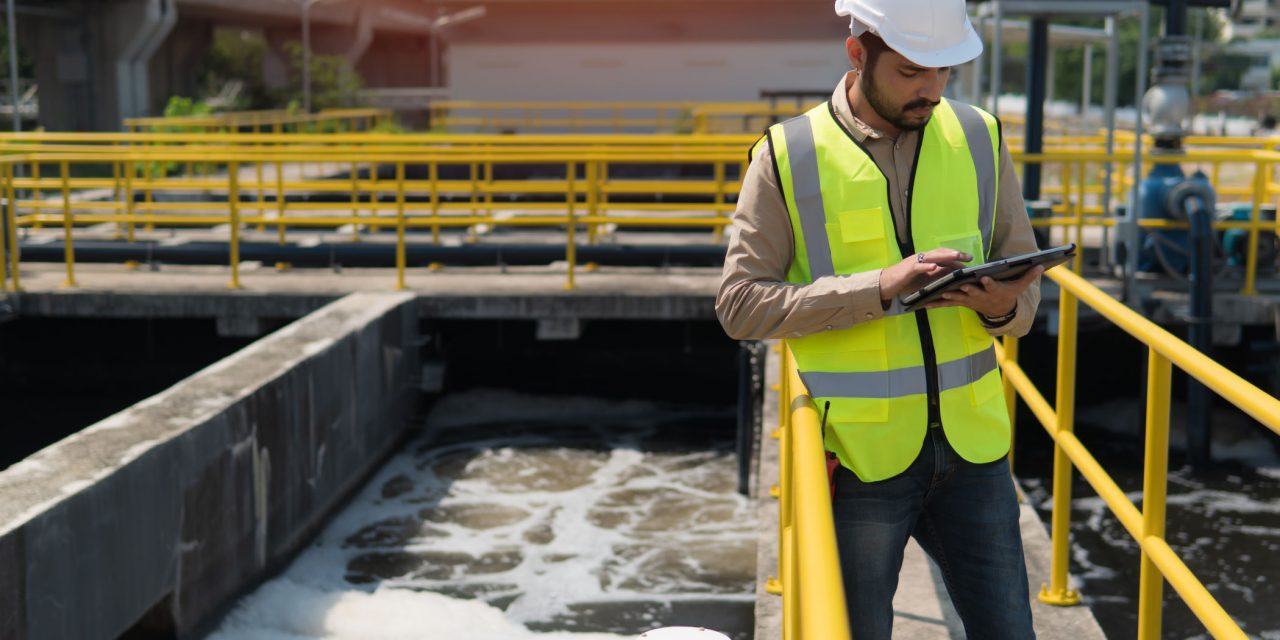
The Water Industry Labour Report 2025 found that 66 per cent of UK water engineers are considering leaving the industry, while 23 per cent plan to retire within the next five years. While infrastructure performance often dominates the conversation, the bigger issue is how utilities can run safer, smarter operations without overburdening already stretched teams. Here, Paul Stute, Product Sales Manager for remote telemetry units (RTUs) at Ovarro, explains why modern telemetry is no longer just a technical upgrade. It’s a workforce enabler – helping teams do more with less while staying safe, connected and resilient in the face of rising pressures.
Ageing systems, cyber threats and growing compliance demands are among the most reported challenges facing water utilities. But another problem that shouldn’t be overlooked is workforce shortages. Recent joint research published by Utility Week and Marsh McLennan, the global risk and consulting firm, found that, “the risk of skilled workers and leaders being driven away from the sector had firmly embedded itself in the top ten,” of risks facing utilities.
Put simply, water utilities must maintain critical operations with fewer people, particularly as technical skills become harder to recruit and retain. At the same time, operational technology (OT) is becoming a key cyber vulnerability. With more devices connecting to SCADA, cloud and hybrid networks, the need for secure authentication, encryption and remote access has never been greater. So, how do companies balance and address all these challenges? Increasingly, water utilities are realising that the answer lies not in more boots on the ground, but in smarter, more strategic technology.
Enabling safer, smarter operations
Modern telemetry systems – particularly remote telemetry units (RTUs) – are enabling utilities to do more with less. By reducing the need for site visits, enabling remote control and supporting secure access to distributed assets, these platforms are helping frontline teams stay safe, efficient and responsive. For operators managing ageing infrastructure with limited staff, this shift is becoming essential.
Today’s RTUs are expected to go beyond basic data capture. Modular design, robust cybersecurity features and seamless integration with SCADA, analytics and asset management systems are now baseline requirements. The goal is to create resilient infrastructure that supports real-time oversight, rapid diagnostics and continuity of service – even in the face of workforce disruption or network failures.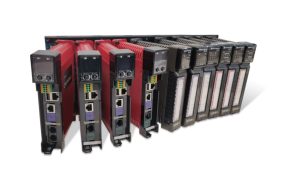
A low-risk telemetry upgrade
A major water utility in Australia, operating a geographically dispersed network of pumping stations, tanks and treatment assets, has undertaken a phased upgrade of its remote telemetry infrastructure to improve safety and operational efficiency.
Many of the utility’s existing RTUs had been in service for more than two decades. While reliability remained high, ageing hardware, increasing cybersecurity requirements and growing pressure on operational teams highlighted the need for modernisation. The utility required a low-risk upgrade approach that would minimise disruption to live assets and reduce on-site work for field staff.
To meet these requirements, the utility partnered with Ovarro to modernise its telemetry estate using the Kingfisher RTUs. Kingfisher’s modular architecture enabled legacy systems to be upgraded without full panel replacements or extensive rewiring.
By retaining existing field wiring and upgrading core Kingfisher components, most site upgrades were completed in under 30 minutes. This allowed essential services to remain operational throughout the programme while significantly reducing commissioning time and safety exposure for technicians.
Integrated with the utility’s SCADA platform, Kingfisher RTUs now enable engineers to remotely start and stop pumps, adjust setpoints and access diagnostics without attending site. This has reduced routine field visits, improved response times and supported safer working practices.
Built for resilience and compliance
Kingfisher’s architecture also supports compliance and auditability – a critical advantage for utilities navigating workforce shortages and an increasingly complex regulatory landscape. With built-in data logging, secure remote access and standardised templates, smaller or less specialised teams can streamline commissioning, monitor performance and demonstrate regulatory alignment with confidence. Telemetry is no longer just about hardware performance. It’s about empowering organisations to operate safely and effectively despite a shrinking talent pool.
Ultimately, addressing the workforce pressures highlighted in the Water Industry Labour Report will require more than recruitment alone. It demands tools that allow utilities to do more with fewer people while protecting institutional knowledge. By transforming remote telemetry systems like the Kingfisher into a strategic platform for remote control, diagnostics and compliance, utilities can meet today’s workforce challenges head-on – and build a more sustainable operational model for the future.
To learn more about how Ovarro’s Kingfisher RTU platform enhances control and monitoring in water operations, visit the company’s website.
Read other recent instrumentation news: https://instrumentation.co.uk/category/news/


